tour And travel

Blog

Your blog category

char dham yatra by helicopter
Blog

Char Dham Yatra by Helicopter: Is It Worth the Price in 2025?

Introduction The Char Dham Yatra by helicopter is becoming popular as a quicker alternative to the usual 10 to 12-day pilgrimage. Packages start at ₹2.5 lakh per person, and the helicopter tours visit Yamunotri, Gangotri, Kedarnath, and Badrinath in just 1 to 2 days. This option is great for elderly travelers, busy professionals, or anyone with physical challenges since it avoids long hikes and road trips. In 2025, better helicopter services and more routes will make the yatra easier to access. This guide details the char dham helicopter package prices, pros and cons, and whether the higher cost fits your pilgrimage plans. Comprehensive Helicopter Package Comparison Operator Duration Temples Covered Price (INR) Key Features Pawan Hans 1 Day Kedarnath + Badrinath ₹2.5–3.5 lakh Government-certified, basic amenities Himalayan Heli Tours 2 Days All 4 Temples ₹4.5–6 lakh Luxury seating, meals, accommodation AirOdyssey Aviation 1.5 Days Kedarnath + Badrinath ₹3–4 lakh Customizable itineraries, multilingual guides Veena World (Tour) 3 Days All 4 Temples + Local Sights ₹7–9 lakh Sightseeing, premium hospitality, insurance Note : Prices vary based on season, group discounts, and add-ons like accommodation. Bookings for peak months (May–June) are 20–30% costlier. Detailed Cost Breakdown Base Charges: Single Temple: ₹1.5–2.5 lakh (e.g., Kedarnath round trip). Full Circuit: ₹4–7 lakh (all 4 temples). Additional Fees:Landing Charges: ₹2,000–5,000 per stop.Temple Entry: ₹500–1,000 per temple (for VIP darshan).Guides: ₹1,500–3,000 per day. Hidden Costs:Weather Delays: Extra accommodation (₹3,000–5,000 per night).Insurance: ₹1,000–2,000 for emergency coverage. Traditional vs. Helicopter:Traditional Yatra: ₹20,000–30,000 (travel, accommodation, food).Helicopter Yatra: 10–15 times costlier but saves 80% of travel time. Booking Process Guide Official Portal:Uttarakhand Tourism Helicopter Booking: https://ukhelicopter.in.This portal offers secure payments approved by the government and real-time slot updates. Private Operators:Visit operator websites, such as Himalayan Heli.You will need to upload your ID proof (Aadhaar or passport), a medical certificate if you are elderly, and some photos. Documents Required:Aadhaar, PAN, or passport.A fitness certificate for senior citizens. Best Time to Book:Peak Season (May to June): Book 3 to 4 months in advance.Off-Season (September to October): Book 1 to 2 months prior. Pros and Cons Analysis Pros: Saves 80% travel time.Avoids treks and road fatigue.Aerial views of the Himalayas. Cons: Cost: 10 times higher than traditional yatra.Limited Spiritual Immersion: Misses the gradual spiritual journey.Environmental Impact: Helicopter emissions harm fragile ecosystems. Is It Worth It? Personalized Decision Guide Ask yourself: Budget: Can you afford ₹2.5 lakh+?Time: Do you have only 1 to 2 days?Health: Are you elderly or physically challenged? Best Scenarios: Senior citizens with health constraints.Professionals with limited leave.Combining helicopter with a short traditional trek (e.g., Badrinath to Yamunotri). Conclusion The Char Dham Yatra by helicopter is perfect for those who value time and comfort more than cost. For elderly or busy pilgrims, the advantages far exceed the expense. Always book with reputable helicopter services for Char Dham, such as Pawan Hans or Himalayan Heli. Make safety a priority, check weather forecasts, and confirm cancellation policies. Ready to plan? Look into Char Dham helicopter booking options today and start your journey without compromise.

Char Dham Yatra Registration
Blog

Complete Char Dham Yatra Registration Guide for 2025: Step-by-Step Process

Introduction The Char Dham Yatra is a sacred pilgrimage to the four holy sites of Yamunotri, Gangotri, Kedarnath, and Badrinath in Uttarakhand. It attracts millions of devotees every year. In 2024, over 12 lakh pilgrims made this journey, showing the need for easier registration. Registering for the Char Dham Yatra is important for safety, crowd management, and a smooth spiritual experience. The online registration system was introduced in 2022. It has reduced confusion and focused on health measures, especially after the pandemic. Proper registration helps pilgrims get timely updates, emergency support, and reserved slots during busy times. This guide will explain the Char Dham Yatra registration process for 2025, including new policies, fees, and troubleshooting tips. What’s New for Char Dham Registration in 2025 The Uttarakhand government has announced important updates for Char Dham Yatra registration in 2025: Registration Timeline: The portal will open on March 1, 2025, and close on October 31, 2025. This schedule matches the yatra season, which runs from May to October.Health Protocols: A digital health declaration is now required. Children under 5 are exempt. Senior citizens over 65 must provide a fitness certificate.Dynamic Slot Allocation: The official app will provide real-time slot updates based on weather and crowd density.E-Pass Integration: Registration details will link with an e-pass for entry at all checkpoints. These changes aim to improve safety and cut down on last-minute cancellations. Pilgrims should register early to secure their preferred dates. Step-by-Step Registration Process Follow these steps for easy online Char Dham Yatra registration: Common Registration Problems and Solutions Website Crashes:Solution: Access the portal during off-peak hours, either early morning or late at night. Use the mobile app as an alternative. Document Rejection:Solution: Ensure files meet size and format requirements. Contact the helpline (1800-123-4567) for verification. Payment Failures:Solution: Check your internet connection. Retry with another payment method. After Registration: What’s Next? Confirmation: You’ll receive an SMS or email with a 12-digit registration ID and e-pass. Verify Status: Log in to the portal or app to check your booking. Pre-Departure Checklist:Print the e-pass and carry ID proof.Pack essentials such as medicines and warm clothing.Book accommodation through approved guesthouses. FAQs Q1: Can I modify my registration details?A: Yes, edits are allowed within 5 days of registration via the “Edit Profile” section. Q2: Is registration transferable?A: No. It’s non-transferable and valid only for the registered individual. Q3: What if I miss my date?A: Contact the helpline immediately to reschedule (subject to slot availability). Q4: Do senior citizens need special registration?A: Yes, a medical certificate is mandatory for those above 65. Conclusion Registering for the Char Dham Yatra 2025 is a simple process if you follow the steps above. Check the start date for registration and understand the refund policies. This guide helps you get ready. Registering early makes planning easier, while updated policies improve safety. For help, contact the official helpline or visit local district offices. Begin your spiritual journey with confidence. Jai Mata Di

char dham yatra registration
Blog

Chardham Yatra Registration Made Simple: Your Complete Booking Guide for 2025

Planning your Chardham Yatra registration ahead of time is essential for this sacred pilgrimage to four holy sites high in the Himalayas. The journey to Yamunotri, Gangotri, Kedarnath, and Badrinath is not only a spiritual adventure but also one that requires careful preparation. These high-altitude shrines are open for only about six months each year, typically from April to November. Therefore, securing your spot through Chardham Yatra registration online is crucial, especially since the best times to visit are between April and June or September and October. Additionally, booking your Char Dham Yatra online between January and March gives you access to exclusive discounts and better availability. In this complete guide, we will cover everything you need to know about the 4 dham yatra booking process for 2025. From step-by-step registration instructions to finding the best Char Dham Yatra package for your needs, we have gathered all the essential information to make your sacred journey as smooth as possible. Why Register for Chardham Yatra Online in 2025 The Uttarakhand government has made registration mandatory for the Chardham Yatra in 2025. No pilgrim will be allowed entry without proper documentation. This requirement is not just a formality; it aims to improve your pilgrimage experience in meaningful ways. Registering early offers substantial benefits. First and foremost, you will secure better accommodation rates and ensure stays at comfortable, well-located hotels or guesthouses, allowing you to recharge after each leg of your spiritual journey. Tour operators often provide exclusive early-bird discounts that can reduce your overall budget. For 2025, the registration process has been redesigned, with 60% of applications done online and 40% handled offline. This change was implemented earlier than in previous years to avoid delays experienced during past pilgrimages. Given the expected increase in pilgrim numbers in 2025, eight dedicated counters have been established for manual registration. Importantly, while registration is mandatory, there is no fee involved—it’s completely free. One registration covers all four Dhams, making the process straightforward. Additionally, registered pilgrims receive priority assistance during medical situations, whether for common illnesses or altitude-related concerns. In emergencies, registered visitors are rescued more quickly. Registration also provides access to: – Weather alerts and road condition updates to help avoid hazards – Eligibility for government and private lodging during overcrowding – Access to transportation services, including helicopter rides – Real-time tracking through the e-health dham portal for health monitoring -The registration process began on March 19, 2025, so it is highly recommended to complete your registration 7-10 days before your planned visit. This advance registration helps authorities track pilgrims during emergencies, landslides, or extreme weather events. Step-by-Step Chardham Yatra Registration Process The online registration for Chardham Yatra 2025 officially began on March 20, 2025, at 7 AM. Understanding this process is crucial, as the Uttarakhand government has made registration mandatory for all pilgrims visiting Badrinath, Kedarnath, Gangotri, Yamunotri, and Hemkund Sahib. Getting your registration completed is straightforward if you follow these steps: 1. Visit the official Uttarakhand Tourism registration website (registrationandtouristcare.uk.gov.in) or download the Tourist Care Uttarakhand mobile app. 2. Click on “Register/Login” and create an account by providing your full name, mobile number, and selecting from Individual, Family, or Tour Operator categories. 3. After account creation, verify your identity with the OTP sent to your mobile number. 4. Once logged in, access your dashboard and click on “Registration for Tour” to select your travel dates and destinations. 5. Fill in all required details, including your Aadhaar Card number and personal information. 6. Upload necessary documents: a valid ID proof (Aadhaar Card, PAN Card, Voter ID, or Passport) and a recent passport-size photograph. 7. Complete the registration and download your Yatra Registration Letter containing a unique QR code. This year, 60% of registrations will be conducted online, with the remaining 40% happening through offline channels. For those unable to register online, offline registration centers will operate in Haridwar (Rahi Motel) and Rishikesh (Yatra Registration Office & Transit Camp) starting 10 days before the pilgrimage begins. If you are traveling by private vehicle, registration is also required for your vehicle. You will need to complete an online declaration form for proper traffic management. There is no fee for the tourist registration process. The registration system helps authorities track pilgrims during emergencies and ensures smoother management of the large crowds visiting these sacred sites. After registration, keep your Yatra Registration Letter or the confirmation SMS on your mobile for your entire journey, as it will be verified at checkpoints. Additional Booking Options and Tips Beyond the standard registration process, helicopter services offer a faster alternative for reaching the sacred shrines in 2025. The Uttarakhand government has introduced helicopter services to Badrinath and Kedarnath from Jolly Grant Airport, which is ideal for visitors with limited time or physical challenges. These services provide VIP darshan at all temples, reducing a journey that may take weeks into just days. For those interested in helicopter bookings, the official IRCTC website (heliyatra.irctc.in) is the authorized portal for Kedarnath helicopter services. Nine aviation companies have been authorized to operate helicopter services from Sirsi, Phata, and Guptkashi helipads. In addition to Kedarnath, charter helicopter services covering all four dhams usually run from Dehradun and take about 5 nights/6 days. Altitude sickness is a genuine concern at these high-elevation sites. Therefore, pilgrims are advised to: – Carry basic medicines, including Diamox for altitude sickness – Pack warm clothing, raincoats, and waterproof shoes – Bring a small oxygen bottle as a precaution To ensure safety, the Uttarakhand government has implemented extensive measures for 2025, including mandatory health check-ups for pilgrims over 50. A detailed health advisory will be available in 13 languages via QR codes at hotels and restaurants. Package bookings offer another convenient option, with costs ranging from approximately ₹34,410 for a 7-night land package to ₹2 lakh per person for helicopter services. However, weather conditions can be unpredictable in the Himalayas, especially during July and August when helicopter services may be limited. For example, most helicopter services allow only 5 kg of

Char Dham Yatra Package cost
Blog

Char Dham Yatra Budget Planning: Packages, Costs, and Ways to Save

1. Why Budget Planning Matters The Char Dham Yatra, which includes Yamunotri, Gangotri, Kedarnath, and Badrinath, is a unique spiritual journey. However, without a clear understanding of the char dham yatra package cost, pilgrims often spend too much or miss out on essential comforts. Careful planning allows you to balance your faith, comfort, and finances, so money concerns do not overshadow your spiritual experience. 2. Package Types at a Glance Most tour operators offer three levels of packages. Your choice should depend on your comfort needs, group size, and the travel season. Package Type Typical Cost / Person Transport & Stay Meals Extras Budget ₹15000 – ₹22000 Non‑AC bus, basic hotels or dharamshalas Breakfast & dinner Limited sightseeing, no porters Standard ₹25 000 – ₹35 000 AC tempo‑traveller or coach, 2‑3⭐ hotels All meals Guided darshan queue assistance Luxury ₹50 000 – ₹90 000+ Private SUV or Innova, 3‑4⭐ hotels & camps All meals Helicopter ride options, VIP pooja passes Tip: You can mix and match. For example, use budget transport but upgrade a few nights in Kedarnath to a luxury camp for warmth and oxygen support. 3. Complete Cost Breakdown Understanding where your money goes clarifies the total char dham yatra package cost and reveals areas for savings. Expense Head Budget Range (₹) Notes Transport 5 000 – 20 000 Bus cheapest; helicopters pricey but save 7–8 hrs of trekking Accommodation 3 000 – 25 000 Costs spike in peak May–June; late Sept is 20–30 % cheaper Meals & Snacks 2 000 – 7 000 Veg meals available everywhere; buffer extra for energy bars Permits & Taxes 500 – 1 000 Char Dham registration & environmental fees Miscellaneous 1 000 – 5 000 Jackets on hire, pony/doli, donations Grand Total: ₹18,000 (basic) to ₹90,000+ (premium with heli) 4. Five Proven Ways to Save 1. Book 90 days in advance. Operators freeze the lowest hotel rates and tempo-traveler slots before the rush. Early bookings often save you 10-15%. 2. Travel in groups of 4-6. Sharing private cabs and family rooms reduces per-person costs. 3. Choose shoulder season (September to mid-October). The weather remains nice, the crowds thin out, and hotels offer discounts. 4. Use IRCTC and State Transport. Take an overnight train or bus to Haridwar or Dehradun, then join a land package. This cuts down taxi expenses between points. 5. Skip the helicopter for one leg. If you’re fit, trek up to Kedarnath and fly down, or vice versa. This can cut helicopter costs in half while still giving you a taste of the aerial experience. 5. Smart Booking Tips Check operator credentials: Look for Uttarakhand Tourism registration numbers and recent Google reviews. Verify included items: Confirm if pooja tickets, tolls, GST, and driver allowances are part of the quoted char dham yatra package cost. Choose refundable plans: Mountain weather is unpredictable. Refundable or low-penalty reschedule clauses protect your investment. Get travel insurance: Policies that cover altitude sickness, baggage loss, and helicopter cancellations start at around ₹300. Keep cash handy: ATMs get scarce after Uttarkashi and Rudraprayag. Bring small bills for pony-walas and donations. 6. Final Thoughts Your pilgrimage should enrich your spirit, not empty your wallet. By comparing package levels, understanding each cost element, and using the savings tips above, you can secure the best char dham yatra package cost for your comfort. The mountains call—plan wisely and embark with peace of mind.

Char Dham Yatra
Blog

Best Time to Visit Char Dham Yatra: Weather Guide & Optimal Seasons

Introduction The Char Dham Yatra is a sacred pilgrimage to four Himalayan temples—Yamunotri, Gangotri, Kedarnath, and Badrinath. It attracts millions of devotees each year. Choosing the right time for your journey ensures safety, comfort, and a spiritually fulfilling experience. This guide explains the best times to visit Char Dham Yatra, seasonal weather patterns, and tips for traveling during the monsoon. Understanding Weather Patterns The weather in the Himalayas can change dramatically. Here’s a breakdown by season: 1. Summer Season (April to June) Weather: Pleasant (10°C–25°C), clear skies. Pros: – Roads and temples open after winter closure. – Ideal for families and senior citizens. – Scenic views of snow-capped peaks. Cons: – Crowds peak in May and June. – Accommodation prices go up. 2. Monsoon Season (July to August) Weather: Heavy rainfall, landslide risk (15°C–30°C). Pros: – Lush green landscapes. – Fewer crowds. Cons: – Roadblocks from landslides. – Slippery trails and delayed transportation. 3. Autumn Season (September to October) Weather: Post-monsoon clarity, mild temperatures (10°C–20°C). Pros: – Stable weather, fewer crowds. – Great for photography and spiritual solitude. Cons: – Shorter daylight hours. 4. Winter Season (November to March) Weather: Sub-zero temperatures, heavy snowfall. Pros: – A serene, meditative environment. – A spiritual retreat for seasoned travelers. Cons: – Roads and temples are closed from mid-November to April. – Extreme cold (below 0°C) can be risky for health. Monsoon Travel Tips for Char Dham Yatra Traveling during the monsoon requires extra preparation: – Check Weather Updates: Monitor forecasts daily. – Pack Essentials: Bring waterproof gear, sturdy shoes, and medications. – Avoid Landslide-Prone Areas: Follow local advisories. – Choose Helicopter Services: This is a good option for those with time constraints or seniors. – Stay Updated on Road Conditions: Use apps like HP Road Alerts. Conclusion The best times to visit Char Dham Yatra are from April to June or September to October for pleasant weather and accessible routes. The monsoon is suitable for adventurers, while winter is for those who are more experienced. Plan carefully to meet both spiritual and practical needs.

char dham yatra
Blog

Your Guide to Planning a Successful Char Dham Yatra 2025

Taking part in the Char Dham Yatra is a meaningful journey for many Hindus. Visiting Yamunotri, Gangotri, Kedarnath, and Badrinath in the stunning Himalayas of Uttarakhand can be life-changing. Planning this pilgrimage carefully is essential for a smooth and rewarding experience. This guide outlines the key steps for organizing your Char Dham Yatra in 2025. 1. Understanding the Char Dham Yatra: The Char Dham Yatra usually starts from Haridwar or Rishikesh and follows a clockwise route, visiting: Yamunotri: The source of the Yamuna River, dedicated to Goddess Yamuna. Gangotri: The origin of the holy Ganga River and the seat of Goddess Ganga. Kedarnath: Home of Lord Shiva, one of the twelve Jyotirlingas. Badrinath: The sacred home of Lord Vishnu. The yatra normally takes about 10-12 days, depending on your itinerary and transportation. The pilgrimage season typically runs from late April or early May to October-November, before winter begins. 2. Key Steps for Planning Your Yatra: Registration: The Uttarakhand government requires registration for all pilgrims on the Char Dham Yatra. Check the official Uttarakhand Tourism Development Board (UTDB) website for registration dates and the process for 2025. Register early, as slots can fill up fast. Fixing Your Dates and Duration: Choose the dates for your yatra based on your availability and the best weather conditions. Be aware of the peak season rush and plan if you want a quieter experience. Allow enough days for travel between the dhams and to adjust to the high altitude. Creating an Itinerary: Select an itinerary that fits your pace and preferences. You can choose a package tour offered by travel agencies or plan your trip independently. Think about travel time between places, darshan timings, and accommodation options. Booking Accommodation: Book your stay ahead of time, especially during peak season. You can find options ranging from guesthouses and budget hotels to more comfortable accommodations. Online booking platforms and the UTDB website are useful resources. Arranging Transportation: Decide how you’ll get around. You can hire a private vehicle for the whole yatra, use shared taxis, or take bus services. Helicopter services are available for those short on time or wanting a more comfortable trip to Kedarnath. Health and Fitness: The Char Dham Yatra involves travel to high altitudes, which can affect your health. Talk to your doctor before planning the yatra, especially if you have any existing medical issues. Get physically ready by exercising regularly and practicing deep breathing. Bring essential medications and a basic first-aid kit. Packing Essentials: Pack light but include warm clothing (layers are best), rain gear, comfortable shoes, a medical kit, personal toiletries, ID proof, and enough cash. Bring snacks and water to stay energized while traveling. Budgeting: Set your budget based on travel expenses, accommodation, food, permits (if needed), and other costs. It’s smart to have extra funds for unexpected situations. 3. Important Considerations for a Smooth Yatra: Respect Local Customs and Traditions: Dress modestly at religious sites and keep the environment clean. Follow Safety Guidelines: Follow the authorities’ instructions and be careful on the terrain, especially while trekking. Acclimatization: Give your body time to adjust to high altitudes to avoid sickness. Drink lots of water and refrain from strenuous activities right after reaching higher altitudes. Environmental Responsibility: Don’t litter and respect the delicate Himalayan ecosystem. Use reusable water bottles and reduce plastic use. Flexibility: Be ready for unexpected weather changes or road blockages and stay flexible in your plans. Conclusion: Planning your Char Dham Yatra for 2025 with careful attention will lead to a more rewarding and spiritually fulfilling experience. By understanding the key aspects of the yatra and making essential arrangements ahead of time, you can begin this sacred journey with ease. May your pilgrimage be blessed!

River Rafting Price
Blog

Rishikesh River Rafting Price

Are you daydreaming about conquering the wild rapids of the Ganges in Rishikesh? Strap on your life jacket because river rafting might just be the ultimate adrenaline rush you need from the “Yoga Capital of the World.” But before you hop into that raft, there’s a pressing question on everyone’s lips: “How much does it cost to go river rafting in Rishikesh?” To navigate your way through this river of excitement (and costs), you need to dive into not just the thrill but also the nitty-gritty of rafting prices in Rishikesh. This guide will paddle you through everything you need to know about Rishikesh rafting prices in 2025—so you can find the perfect package without busting your budget or your backside. Understanding the Rishikesh River Rafting Price: What Makes it Flow?The price tag for river rafting in Rishikesh is not as simple as “one size fits all.” Nope, it fluctuates like a rubber duck in a whirlpool! Here’s what you need to keep in mind to avoid any splashes to your wallet: So, gear up for an unforgettable journey on the Ganges, and remember: when it comes to the price of adventure in Rishikesh, knowledge is your best paddle! Happy rafting! Rishikesh Rafting: Thrill Levels and Prices (2025) Get ready to paddle away your worries, because Rishikesh is a white-water wonderland! Whether you’re a rookie looking for a splashy introduction or a seasoned pro hunting for adrenaline, there’s a rafting stretch just for you. Here’s the scoop on the popular rafting routes and how much you can expect to part with for the adventure: What’s in Your Rafting Adventure Package? So, what does your hard-earned money actually buy you when it comes to rapids? Here’s a quick rundown of what’s typically included in a Rishikesh rafting package: Get your paddles ready, because adventure is calling! How to Snag the Best Rishikesh Rafting Deals Ready to ride the rapids and have the adventure of a lifetime? Well, hold onto your paddles because getting the best Rishikesh rafting package can be as thrilling as the ride itself! Here’s how to ensure you’re not just splashing cash down the river: Book in Advance: Just like reserving a good seat for a blockbuster movie, booking early, especially during peak season, can secure your spot and often snag you better rates. You wouldn’t want to be that person left dried up on the shore, right? Combo Packages are Your Best Buds: Planning to soak up some camping fun alongside all that river madness? Look for Rishikesh rafting and camping combo packages—they’re like the two-for-one deal of the adventure world! Gather a Rafting Crew: Organize a group of your most adventurous pals! Many operators toss around significant discounts for groups of 10 or more, because if you’re going to scream on the water, you might as well do it together! Weekday vs. Weekend Dilemma: Believe it or not, you might find weekday rafting rates to be a bit sweeter than the weekend prices. It’s an excellent excuse to ditch work or school (just don’t tell your boss)! Compare Operators Like You’re Shopping for Shoes: Get quotes from several reputable rafting companies. But remember, safety and a good reputation are the real MVPs here—don’t go for the cheapest option like it’s a clearance rack at a thrift store! Off-Season Offers are the Hidden Gems: If you’re brave enough to take on the rapids during the monsoon break or other lean periods, you could uncover some fantastic deals. It’s like finding a ten-dollar bill in your pocket! Why Rishikeshride.in is Your Go-To for Rafting At Rishikeshride.in, we get it—your adventure should be exhilarating, safe, and worth every penny. We roll out transparent Rishikesh river rafting prices, with zero hidden fees (seriously, we promise!). Here’s what you can expect from us: Conclusion: River rafting in Rishikesh is a wild ride filled with adrenaline, gorgeous views, and stories you’ll entertain your friends with for years. As you navigate the waves of pricing, keep these tips in mind to make a smart choice. Safety first, check what’s included, and always compare reputable operators to ensure you get the best bang for your buck. So gear up, grab your friends, and get ready to conquer those rapids—your epic Rishikesh adventure awaits!

Blog

Swarg Ashram Rishikesh

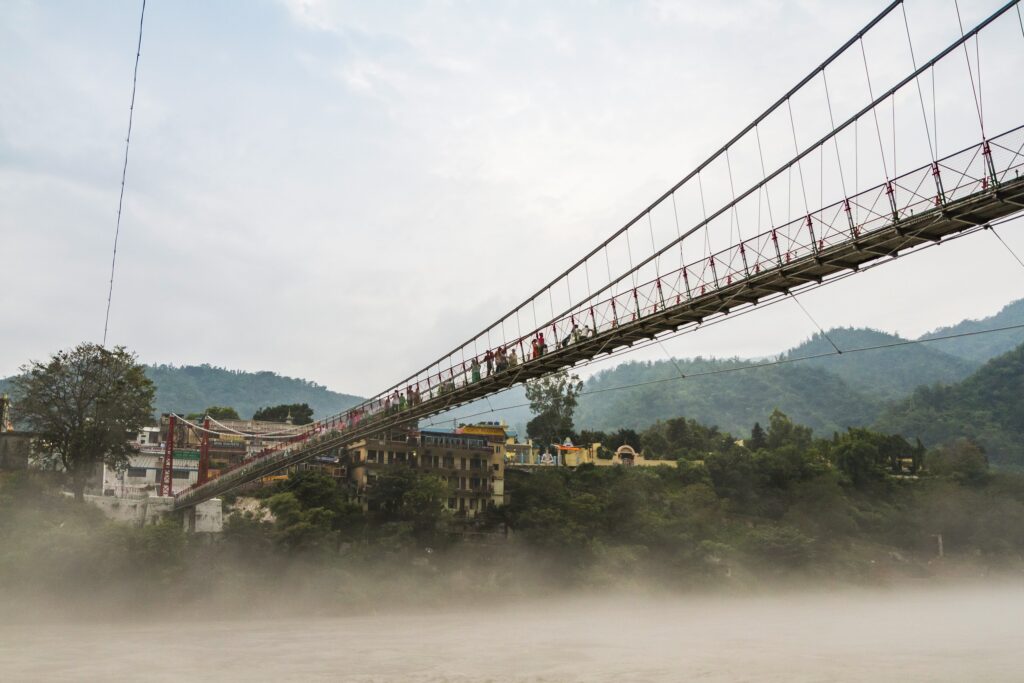
Nestled on the eastern bank of the sacred Ganges River, just a short distance from the lively main market of Rishikesh, you will discover Swarg Ashram—a tranquil and spiritually vibrant haven that truly embodies its name, meaning “Heavenly Abode.” This esteemed complex is not merely one ashram but a collection of ashrams, temples, meditation centers, and living spaces, all harmoniously blending spiritual education, peaceful lifestyle, and stunning natural scenery. For centuries, this sacred site has attracted those seeking truth and tranquility, solidifying its role as a cornerstone of Rishikesh’s spiritual essence. A Glimpse into History and Legacy: Swarg Ashram boasts a rich history intricately woven into the spiritual renaissance of Rishikesh. Originally founded by the revered saint Swami Atmanand Saraswati, its mission was to create a peaceful sanctuary where spiritual aspirants could meditate, immerse themselves in scripture, and devote their lives to spiritual practice. Over time, various spiritual organizations and individuals established their own ashrams and temples within this larger complex, each adding to its unique spiritual narrative. This area flourished in prominence as more spiritual leaders, yogis, and seekers were drawn to its pristine surroundings and the divine energy of the Ganges. It evolved into a celebrated hub for yoga, meditation, Ayurveda, and Vedic studies, welcoming visitors from India and around the world. What Makes Swarg Ashram Unique? In summary, visiting Swarg Ashram promises a transformative experience, steeped in spirituality, tranquility, and community—making it an ideal destination for those looking to deepen their spiritual journey. Key Attractions and Experiences in Swarg Ashram Ram Jhula: As the main entrance to Swarg Ashram from Rishikesh, this stunning suspension bridge offers breathtaking views of the Ganges and the nearby ashrams. A stroll across it is not just a walk; it’s an experience to embrace. Parmarth Niketan Ashram: Although right next to Swarg Ashram, this remarkable ashram deserves a special mention. Known for its grand evening Ganga Aarti, this captivating fire ceremony occurs daily at sunset along the riverbanks, creating a truly magical atmosphere. Gita Bhavan: This extensive complex caters to countless pilgrims, featuring thousands of rooms and a vast library filled with Hindu scriptures. Its walls beautifully display verses from the Bhagavad Gita, enriching the spiritual experience. Numerous Temples: Discover a myriad of small and large temples dedicated to various Hindu deities, each showcasing unique architecture and contributing to an enchanting spiritual ambiance. Ayurveda & Yoga Schools: Dive into rejuvenating Ayurvedic therapies or participate in yoga and meditation courses at several local schools, promoting overall well-being and mindfulness. Shopping for Spiritual Items: Explore shops brimming with religious texts, idols, spiritual beads (Rudraksha), Ayurvedic remedies, and handcrafted souvenirs, perfect for taking a piece of tranquility home. Cafes & Eateries: Savor healthy vegetarian cuisine at the diverse range of cafes and eateries that serve both locals and visitors, often boasting lovely views of the river. Activities to Enjoy in and Around Swarg Ashram Morning Yoga & Meditation: Rise early to join a yoga class by the river or immerse yourself in meditation at one of the tranquil temple complexes. Ganga Aarti: Be captivated by the enchanting evening Ganga Aarti at Parmarth Niketan—an experience that stirs the spirit and heart alike. Holy Dip in the Ganges: Partake in a purifying dip in the sacred waters of the Ganges at one of the ghats, a ritual cherished by many. Explore on Foot: The best way to experience Swarg Ashram is through leisurely walks, where you can uncover hidden temples and serene spots along the way. Visit the Beatles Ashram (Maharishi Mahesh Yogi Ashram): Just a short stroll from the northern edge of Swarg Ashram, this intriguing site combines history with art and music, making it a must-visit. Riverside Walks: Enjoy peaceful ambles along the Ganges, particularly during the awe-inspiring moments of sunrise or sunset. How to Reach Swarg Ashram Swarg Ashram is primarily accessible via Ram Jhula. From Rishikesh Railway Station/Bus Stand: You can take an auto-rickshaw or taxi to Ram Jhula (approximately 3-4 km). From there, it’s a short walk across the bridge to reach Swarg Ashram. From Laxman Jhula: While Swarg Ashram can also be reached from the Laxman Jhula side, the longer walk along the riverbank or through charming side lanes often leads visitors to opt for crossing Ram Jhula. Local Transport: Once in Rishikesh, shared autos or e-rickshaws are available to take you closer to Ram Jhula, making your journey convenient and accessible. Conclusion: Swarg Ashram in Rishikesh is truly a remarkable place; it’s about the experience rather than just the location. Here, you’ll find an incredible sense of tranquility, moments of spiritual clarity, and a meaningful connection to India’s rich traditions. Whether you’re on a journey of self-discovery, passionate about yoga, or simply seeking a peaceful retreat in the embrace of nature, Swarg Ashram offers an unforgettable adventure that captures the essence of Rishikesh’s sacred allure.

Blog

The Beatles Ashram Rishikesh

Tucked away in the serene foothills of the Himalayas, alongside the revered Ganges River in Rishikesh, Uttarakhand, is a remarkable place that merges spirituality with a noteworthy musical legacy – the Maharishi Mahesh Yogi Ashram, commonly recognized today as “The Beatles Ashram.” This site was once a vibrant sanctuary for individuals from the West, particularly those seeking the transformative power of Transcendental Meditation, including the iconic British band, The Beatles, who visited in 1968. Now, it stands not merely as a relic of the past, but as a dynamic symbol of artistic expression, historical significance, and spiritual exploration. A Historical Perspective: The Emergence of a Spiritual Beacon Established in the 1960s by Maharishi Mahesh Yogi, this ashram played a pivotal role in popularizing Transcendental Meditation (TM) around the globe. His vision was clear: to cultivate a tranquil retreat for spiritual awakening and personal development. The extensive grounds included meditation domes, lecture spaces, residential quarters, and the Maharishi’s own abode, quickly turning the site into a favored destination for Western seekers eager to delve into self-discovery and achieve inner peace. The Beatles’ Journey: Transforming Rishikesh into a Hub of Creativity In February 1968, the members of The Beatles – John Lennon, Paul McCartney, George Harrison, and Ringo Starr – along with fellow artists like Mia Farrow and Donovan, arrived at the ashram in their quest for spiritual insight and mastery of Transcendental Meditation. Their time at this tranquil location marked a crucial turning point in their artistic journey, offering them a respite from the chaotic pace of the outside world for introspection and meditation. During their stay, The Beatles entered a highly creative phase, crafting many songs that would feature on their renowned album ‘The White Album.’ The serene environment of the ashram, coupled with the soothing sounds of the Ganges and the richness of Indian culture, profoundly influenced their music. It was within this sacred space that they found inspiration from figures like “Dhoni Baba,” leading to the creation of timeless tracks such as ‘Dear Prudence,’ ‘Revolution,’ and ‘Sexy Sadie.’ This powerful blend of spirituality and music at the Maharishi Mahesh Yogi Ashram continues to inspire those who seek to explore their own paths of creativity and mindfulness. A Journey Through Time: Discovering an Abandoned Paradise Following The Beatles’ departure, the ashram thrived for a while, but eventually, the Maharishi turned his attention to other ventures. By the 1990s, the ashram was left behind, embraced by nature. Trees broke through the structures, and vibrant graffiti splashed across the crumbling walls. For many years, this enchanting site remained under the radar, becoming a hidden treasure for both Beatles enthusiasts and adventurous travelers. Revival and a Hub for Creativity In recent times, the Uttarakhand Forest Department has initiated efforts to revitalize the ashram and make it accessible to tourists. While it is still officially recognized as the “Maharishi Mahesh Yogi Ashram,” its deep-rooted connection to The Beatles has endeared it to visitors, earning it a special place in their hearts. Today, the ashram is not only a landmark of history but also a magnificent open-air art gallery. Once-neglected walls now serve as canvases for artists from around the globe to showcase their creativity. Colorful murals, lyrical tributes to The Beatles, and spiritual expressions breathe new life into the ruins, transforming them into a dynamic and inspiring space. It has become a cherished spot for photographers, artists, and music lovers alike. What Awaits You at The Beatles Ashram How to Reach The Beatles Ashram Positioned in the Swarg Ashram area of Rishikesh, near the Ram Jhula bridge, the ashram is easily accessible. Additional Tips for Visitors: Embrace the opportunity to explore this unique blend of history, art, and spirituality—it’s a journey you won’t want to miss! Conclusion: The Beatles Ashram in Rishikesh isn’t just a relic; it’s a vibrant crossroads of history, art, and spirituality. This site reflects the innovative spirit of The Beatles, the profound teachings of Maharishi Mahesh Yogi, and the rich spiritual legacy of India. Whether you’re a music enthusiast, a history buff, or just in search of a peaceful and inspiring destination, visiting The Beatles Ashram will surely leave a lasting impression on your journey through Rishikesh.

Blog

A Guide to Adventure Sports in Rishikesh

Rishikesh isn’t just a hub for spirituality; it’s a vibrant destination bursting with energy that draws adventure seekers from all corners of the world. With its rugged landscapes, exhilarating Ganges rapids, and towering cliffs, this area offers an incredible playground for those craving an adrenaline rush. If you’re looking to shift gears from reflection and dive into some action, Rishikesh is the perfect place for your adventure escapade. This guide will introduce you to the diverse range of adventure sports awaiting you in Rishikesh. Get ready to challenge your limits and create lasting memories against the stunning backdrop of the Himalayas. Conquer the Mighty Ganges: White Water Rafting When people think of Rishikesh, white water rafting often comes to mind first. The Ganges, winding through the majestic mountains, presents a thrilling challenge with its array of rapids suitable for all levels, from newcomers to experienced pros. Picture yourself navigating through the turbulent waters, working in harmony with your team, and letting the adrenaline surge as you conquer each rapid. Different Stretches, Different Experiences: The rafting routes along the Ganges vary in intensity, each offering a distinct thrill. Safety First: It’s crucial to prioritize safety during your thrilling adventure. Choose reputable rafting operators that provide experienced guides, high-quality equipment (rafts, life jackets, helmets), and comprehensive safety briefings. Always opt for certified and recognized companies to ensure your experience is both fun and safe. Best Time to Go: The prime window for white water rafting in Rishikesh runs from late September to April/May. It’s best to avoid the monsoon season (June to September) when the river levels rise and conditions can become hazardous. Prepare yourself for an unforgettable adventure in Rishikesh, where the call of excitement awaits! Soaring Through the Skies: Bungee Jumping For an unforgettable freefall adventure, Rishikesh is home to one of India’s highest bungee jumping platforms. Picture yourself standing high above, taking that courageous leap, and experiencing an exhilarating rush as you dive toward the ground before the bungee cord pulls you back up, defying gravity! Gravity Zone: The bungee jumping site in Rishikesh is managed by professionals who uphold strict safety standards. With experienced jump masters overseeing the operation, you can feel secure in your daring decision. The Experience: You’ll begin with a medical check-up and a comprehensive briefing to ensure you’re ready for the jump. The experience itself lasts only a few seconds, but those seconds are packed with pure adrenaline, followed by an incredible sensation of weightlessness. Capture the Moment: Many jumping operators offer video and photography services, so you can hold onto the memory of your thrilling feat forever. Taking Flight: Giant Swing For a twist on the bungee experience, try the giant swing in Rishikesh. This exhilarating ride launches you like a pendulum across a stunning gorge. While suspended in harnesses, you’ll feel the thrill of freefall followed by a sweeping swing, all while enjoying breathtaking views of the surrounding valley. Arc of Adventure: The giant swing combines the excitement of freefalling and swinging, making it a uniquely thrilling option for adventure seekers. Tandem Swings: Want to share the excitement? Some operators provide tandem swings, allowing you to enjoy this heart-pounding experience alongside a friend or partner. Gliding Above the Canopy: Ziplining If you’ve ever dreamed of soaring through the air, ziplining in Rishikesh is the perfect way to make that dream a reality! Experience the rush of flying while suspended from a cable, zipping across breath-taking valleys and rivers. The aerial views of lush landscapes and the majestic Ganges are truly stunning. Multiple Zipline Options: There are various ziplining circuits available, offering different lengths and heights to suit diverse levels of comfort and adventure. Safety Harness and Gear: You’ll be securely harnessed and outfitted with necessary gear while being supervised by trained professionals, ensuring a safe and exciting experience. Conquering Heights: Cliff Jumping For an instant adrenaline kick, cliff jumping into the refreshing waters of the Ganges is a must-try. Rishikesh features several safe spots along the riverbank, where you can enjoy this heart-racing activity under supervision. Supervised Fun: Always jump under the guidance of experienced instructors who are familiar with the safest jumping locations and water depths. Refreshing Plunge: After leaping into the cool waters, you’ll be greeted with a refreshing splash, making it the perfect exhilarating reward for your bravery! Adventure awaits in Rishikesh! Whether it’s bungee jumping, swinging, ziplining, or cliff jumping, you’re sure to find an experience that will elevate your spirit and leave you with unforgettable memories. Discover the Thrills of Trekking and Camping Trekking and camping in the stunning hills surrounding Rishikesh may not fall under the conventional category of “sports,” but they certainly offer a unique adventure. Here, you can explore picturesque trails, uncover hidden waterfalls, and spend enchanting nights beneath the breathtaking Himalayan sky. Varied Trekking Options: There’s a wide range of trekking routes available to suit different fitness levels—from gentle walks through nature to exhilarating multi-day treks that test your limits. Riverside Camping Experience: Campsites by the Ganges present a wonderful chance to immerse yourself in nature and enjoy the peaceful ambiance of your surroundings. Safety First: Your Adventure Priority As you seek out excitement, it’s crucial to keep safety at the forefront: Embrace the Spirit of Adventure: Rishikesh offers a remarkable blend of spiritual calm and heart-pounding adventure. So, gather your gear, tap into your adventurous spirit, and prepare for an unforgettable journey against the majestic backdrop of the Himalayas. Whether you’re navigating swift rapids, soaring through the skies, or scaling cliffs, the adventure sports in Rishikesh will leave you with lasting memories and a refreshing sense of excitement.

yoga in rishikesh
Blog

A Guide to Yoga and Meditation in Rishikesh

Rishikesh, often referred to as the “Yoga Capital of the World,” is a compelling destination for individuals seeking inner peace and improved physical health. Situated at the base of the majestic Himalayas, where the sacred Ganges River flows with a soothing rhythm, this spiritual hub provides an unparalleled setting to explore traditional practices of yoga and meditation. The atmosphere is infused with a serene energy that encourages you to roll out your mat and engage in self-reflection. With an abundance of ashrams, studios, and retreats along the Ganges, however, navigating the yogic landscape in Rishikesh can be daunting. This guide aims to highlight why Rishikesh is an ideal spot for your spiritual journey and how you can maximize your experience. Why Rishikesh? The Spiritual Heartbeat: Rishikesh’s appeal as a center for yoga and meditation is deeply rooted in both its historical significance and natural surroundings: Embarking on Your Yogic Journey in Rishikesh Rishikesh is a paradise for yoga enthusiasts, welcoming everyone, from complete beginners to seasoned practitioners. Here are some fantastic ways to deeply engage with yoga during your visit: Drop-in Classes: Numerous studios and ashrams offer daily drop-in classes across various styles, including Hatha, Vinyasa, Ashtanga, and Iyengar. This flexible option is perfect if you’re short on time or eager to explore different styles and teachings. Intensive Courses and Workshops: For those seeking a more focused experience, short-term intensive courses or specialized workshops are an excellent choice. These programs delve into specific aspects of yoga or meditation, allowing for an enriching and immersive practice. Yoga Teacher Training: Rishikesh is world-renowned for its exceptional yoga teacher training programs. If you dream of becoming a certified yoga instructor, there’s no better place to embark on this transformative path. Ashram Stays: Living in an ashram provides a comprehensive experience, including daily yoga and meditation sessions, satsangs (spiritual gatherings), communal meals, and a simple, mindful lifestyle. This setting allows for a profound exploration of the yogic way of life. Private Lessons: For individualized attention and tailored guidance, consider booking private yoga or meditation sessions with an experienced instructor. This personalized approach can significantly enhance your practice. Finding Your Stillness: Exploring Meditation Practices Beyond yoga asana, Rishikesh is rich with meditation techniques to help calm the mind and connect with your inner self: Many ashrams and studios in Rishikesh offer guided meditation sessions, and the tranquil surroundings near the Ganges provide perfect spots for self-guided practice amidst nature. Take this opportunity to deepen your journey into the world of yoga and meditation! Choosing Your Path: Essential Tips for Selecting a Studio or Ashram With a plethora of options at your fingertips, finding a place that truly aligns with your personal goals and desires is vital: Beyond the Mat: Embrace the Rishikesh Experience While yoga and meditation are at the heart of what Rishikesh offers, don’t miss out on the many other wonderful experiences available in this captivating place: Embarking on this journey will not only deepen your practice but also enrich your overall experience in Rishikesh. Enjoy every moment!

Blog

Stunning Waterfalls in Rishikesh

1. Neer Garh Waterfall : This easy trek takes you to a delightful two-tiered waterfall that’s great for families. Seriously, it’s so popular you might have to fight for a selfie spot, but that’s just part of the fun!   2. Patna Waterfall : This trek is a bit longer and takes you past limestone caves that are more atmospheric than a fancy coffee shop. If you’re into tranquility and offbeat adventures, this might just be your zen zone. 3. Garud Chatti Waterfall : Enjoy a pleasant stroll through the forest to reach this hidden gem with multiple small tiers. Fewer crowds mean more quiet moments, so you can fully embrace your nature-loving, “I’m just here for the vibes” persona. 4. Himshail Waterfall (or Phool Chatti Waterfall) : Just a bit further upstream from Rishikesh lies this beautiful oasis. The trek here is moderately challenging—perfect for those who like a little sweat along with their serenity. The waterfall cascades dramatically into a refreshing pool that just screams “dive in!” Oh, and did I mention the quieter vibe compared to the bustling main town? It’s like a spa day for your soul. 5. Jhilmil Gufa Waterfall : A short trip from Tapovan, this waterfall comes with a bonus—some intriguing caves to explore! The trek is quick, so you can get your waterfall fix without sacrificing your entire day. The waterfall is charming, and the nearby cave feels like it’s asking you to make a dramatic entrance. Perfect for when you need a mini-adventure! 6. Ratanpani Waterfall : Ready for a trek that’s a bit more of a workout? Ratanpani is located further out and often requires a guided tour. This beauty is tall enough that you might need to squint at the top. The lush scenery surrounding it is so untouched, you might feel like you’ve walked onto a movie set. Perfect for you seasoned trekkers looking for nature’s unfiltered glory!  

Blog

Deep Dive into Gita Bhawan, Rishikesh

The air in Rishikesh buzzes with quiet energy. Ashrams and temples line the Ganges, their prayer bells echoing at dawn. Here, Gita Bhawan stands out—a calm haven along the swirling river. Old banyan trees shade whitewashed buildings, where groups gather for prayer, rest, and reflection. This peaceful sanctuary welcomes everyone—pilgrims, travelers, and those searching for a break from noise. Its simple charm and deep-rooted traditions create a sense of belonging you feel the moment you arrive. For many, Gita Bhawan isn’t just another place to stay. It’s a retreat from the rush of daily life, offering clean halls, open courtyards, and morning dips in the holy river. Whether you seek spiritual growth or quiet days by the water, this spot along the Ganges opens its doors to all. The History and Spiritual Roots of Gita Bhawan Step through Gita Bhawan’s shaded gates, and you instantly feel connected to a deeper story. This ashram’s history stretches beyond its white walls and peaceful verandas. It’s tied to acts of faith, the flow of the Ganges, and the long-standing devotion found in Rishikesh. Foundations Set by Faith Gita Bhawan was born from a simple idea: create a place where everyone can rest, reflect, and read the Bhagavad Gita. In the early 1950s, Swami Sivananda and his followers saw the need for a clean, welcoming shelter for pilgrims—something beyond just a place to sleep. They worked with the Swargashram Trust to secure land on the banks of the river, setting the first stones with prayers and hope. These were years of change. India was newly independent, and spiritual energy pulsed through towns and villages along the Ganges. Rishikesh stood as a center for seekers, sadhus, and everyday families looking for meaning. Gita Bhawan tapped into this current, opening its doors with the mission of service and inclusion. The Swargashram Trust Legacy The Swargashram Trust, which manages Gita Bhawan, has deep roots in the area. Starting in the late 1800s, the Trust supported the building of temples and paths for pilgrims. Its steady hand helped shape Rishikesh as a city made for peace and study. Through the Trust, Gita Bhawan grew from a simple shelter to a complex of buildings, gathering halls, and gardens. Every corner reflects a spirit of giving—no one is turned away, and every visitor can join in daily prayers or find a spot for quiet thought. Over decades, the Trust has kept Gita Bhawan’s mission focused: serve the community, care for the Ganges, and share timeless teachings, especially those of the Bhagavad Gita. Gita Bhawan in Rishikesh’s Spiritual Story Gita Bhawan didn’t just add another guesthouse to Rishikesh. It became a part of the town’s spiritual rhythm. While ashrams here have long offered wisdom, Gita Bhawan stands out for three main reasons: Gita Bhawan’s story is woven into Rishikesh’s larger tale—a place where kindness, simplicity, and ancient prayer live side by side. Walking its grounds, you sense the layers of history and hope carried forward by each new visitor. Architecture and Sacred Spaces Gita Bhawan feels like it grew from the soil of Rishikesh itself. Its white walls shine against a backdrop of tangled banyan roots, cool stone walkways, and the endless whisper of the river. Here, architecture is more than shape and shelter. Every detail, from the painting on a prayer hall ceiling to the curve of a riverside ghat, breathes meaning into daily life. Quiet courtyards, open terraces, and peaceful gardens bring fresh air and room to think. Each corner invites you to stop, look, and breathe in a slower rhythm. Murals, Scriptures, and Symbols: Explore the Murals, Paintings, and Scripture Engravings Found Throughout Gita Bhawan Walking through Gita Bhawan, you find color in places you’d least expect. Walls bloom with scenes from the Mahabharata. Krishna and Arjuna on their chariot. Gopis dancing under moonlight. Each mural tells part of a story—heroes, gods, and everyday villagers, brought to life in blues, golds, and reds. Paintings on doorways and halls offer more than beauty. They draw you closer to lessons within. You might see a calm Ganga in one, or a mountain sage deep in thought in another. These images don’t just decorate. They nudge memories of epic tales, quiet virtues, or moments of sacrifice. Scripture is everywhere: Symbols of devotion—lotus motifs, flowing conches, and the sacred ‘Om’—appear everywhere. Each one acts as a gentle guide, steering visitors toward reflection. It’s like having a silent conversation with the building itself. You don’t have to know every story to feel moved. The art works as a steady drumbeat, calling each person to find quiet strength and faith in the present moment. The Ganga Ghats: Where Spirit Meets River Step down the worn stone steps of Gita Bhawan’s ghats, and the world’s rush fades. The Ganga presses close, wide and restless, washing up cool on bare feet. Here, the river is more than water—it’s memory, prayer, and promise. Ghats at Gita Bhawan are simple but full of life. They form a meeting space where sky, stone, and spirit blend together. Morning brings soft singing and swirling incense. Pilgrims gather before sunrise to offer prayers, cup water in joined palms, and let the river wash away worry. As the day warms, families fill the riverfront, dipping into the water’s embrace. You find grandmothers teaching little ones old hymns, and strangers sharing silence as the current slides by. What makes the ghats unique? At dusk, the steps glow with tiny oil lamps. It’s a living altar, where fire and water come together. The river carries away the flickering lights, and with them, prayers for peace and healing. These ghats aren’t just a part of the ashram; they’re the heartbeat of Gita Bhawan. Each stone step, each swirl of water, deepens the sense of belonging—a gentle pull, calling everyone back to their own source.

Camping In Shivpuri
Blog

Camping In Shivpuri

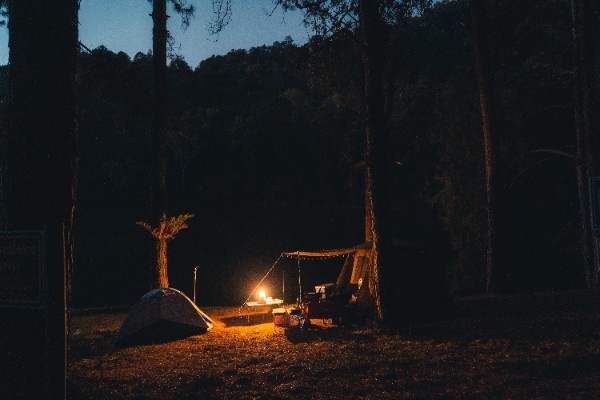
Do you want to relax with nature’s serenity close to Rishikesh? Shivpuri is located only a couple of miles downstream from Rishikesh It is the perfect spot for the rishikesh camper shivpuri fans. Its beautiful beaches, a ganga and serene surroundings and the soft sounds of the rushing Ganges, rishikesh camping shivpuri provides the perfect place to unwind. Why Choose Camping in Shivpuri, Rishikesh? Shivpuri Rishikesh gives you a memorable camp experience, away from the bustling city center. Imagine getting up in the morning to amazing panorama of the Himalayas. The tranquil sound of the river as well as the crisp mountain air. Riverside Camping in rishikesh especially in Shivpuri offers the chance to connect with the natural world and relax in a tranquil environment. Numerous camps also provide thrilling adventures such as Shivpuri Ganga Camping and the rafting which makes the perfect destination for adrenaline junkies too. Finding the Best Camp in Rishikesh (Shivpuri Focus) If you are looking for the best camp in Rishikesh, Shivpuri offers a variety of choices to meet diverse budgets and tastes. It is possible to choose from luxury camping facilities with amenities that are comfortable to less formal and affordable arrangements. Be aware of the following aspects in deciding on your choice: Understanding the Costs: Rishikesh Camping Price (Shivpuri) The rishikesh camping price in Shivpuri will vary greatly dependent on the nature of camping site, the facilities that are provided, as well as if food or excursions are offered. In general, you should anticipate paying anywhere between up to Rs5000 per person, per night. Packages with Shivpuri Ganga Camping as well as river rafting are bound to be more. Always check the individual camp for their details regarding their Rishikesh price and other inclusions. Booking Your Riverside Escape: Rishikesh Camping Booking (Shivpuri) If you want to have a pleasant enjoyable experience, you should book your reservation for rishikesh camp prior to time, especially in the peak time of. There are various online platforms and sites of several camping sites that provide the rishikesh river camping alternatives in Shivpuri. If you are you make your reservations for the rishikesh camping booking make sure you: Experiencing the Ganga Beach Shivpuri A number of camping spots situated in Shivpuri have access to the stunning ganga beach . This beautiful stretch of sand in the middle of the river offers an ideal spot to unwind and enjoying the tranquil environment, or even taking part in activities on the beach. The sunrise at shivpuri beaches is truly an amazing sensation. Exploring Rishikesh Shivpuri: The Location Rishikesh Shivpuri is accessible via highway from Rishikesh. It’s about 15-20 km further upstream. The road itself is beautiful with views of the Ganges and surrounding hills. Its proximity to Rishikesh allows for a relaxing getaway, yet close enough to visit the main attractions of Rishikesh. In Conclusion: Shivpuri camping  is a great chance to enjoy the tranquility and beauty of nature close to Rishikesh. If you’re seeking an unwinding riverside camping in rishikesh trip or a fun-filled vacation that includes the ganga camp shivpuri or the rafting, Shivpuri has something for all. Make sure to plan and research your Rishikesh River Camp ahead of time to ensure the best camp in rishikesh to meet your preferences and budget. Relax and enjoy your peaceful escape at your own private shivpuri sandy beach as well as the tranquil waters that is the Ganges!

Rafting in Rishikesh
Blog

Rafting In Rishikesh

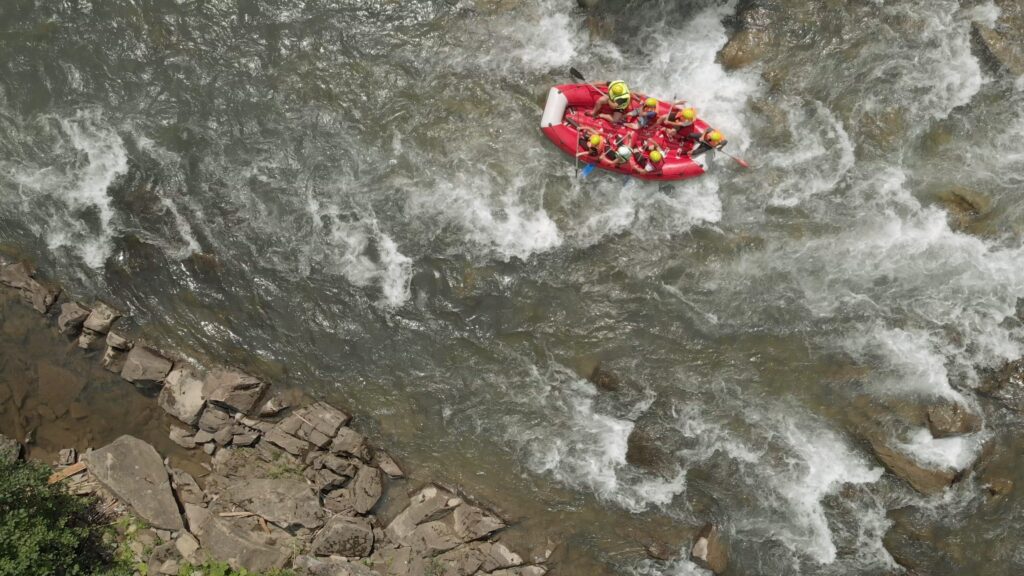
Rishikesh is often called”the “Adventure Capital of India,” is famous for its thrilling whitewater rafting in Rishikesh experience. The powerful Ganges River, with its various rapids, is an incredible experience for new and experienced water rafters. If you’re in search of excitement in the midst of breathtaking nature, river rafting in Rishikesh is definitely on your agenda. Why Choose River Rafting in Rishikesh? The clear, crystal-clear waters of Ganges which are surrounded by a lush and green hill as well as the magnificent Himalayas as the background offer a stunning backdrop for your rafting experience. Rishikesh provides a range of sections of river, with different levels of rapids, suited to every level of adrenaline junkie. You can choose an easy beginning to the river rafting experience within Rishikesh or a more challenging trip through Grade III and IV rapids, you’ll be able to find Rishikesh to be the best choice here. Understanding the Costs: River Rafting in Rishikesh Price The cost of river rafting in rishikesh price may vary according to various factors, such as: The majority of the time, that the Rishikesh river rafting prices to vary from the amount of Rs500 to Rs2500 per individual according to the elements that were mentioned earlier. It is always recommended to speak from several reliable operators to check prices and amenities prior to making your booking. Timing Your Adventure: River Rafting in Rishikesh Timing The river rafting time usually is divided into afternoon and morning slots. The majority of rafting trips begin at 9:00 am and end at 11:00 AM during the morning session, and then between 1:00 between 3:00 and 1:00 PM in the afternoon. But, the precise times for rafting on the Rishikesh may vary according to the company, the selected river’s stretch and season. Important to keep in mind that the river rafting in Rishikesh experience is typically most enjoyable during the period between the end of September through June. Monsoon season (July through mid-September) usually sees restrictions or even prohibitions of Rafting due to rising river levels, and the potential for hazardous situations. Always consult operators and local authorities regarding the present situation as well as the ideal best river rafting in rishikesh season. Finding the Best River Rafting in Rishikesh For a secure and pleasant experience, selecting the best river rafting in rishikesh company is essential. Choose operators who In Conclusion: Rafting Rishikesh is an unbeatable experience on the holy Ganges. If you know the the river rafting in rishikesh price and the standard the river rafting timetable it is possible to make your plans for the trip in a way that is efficient. Make sure you choose a reliable provider for the best river rafting in rishikesh experience. Get set to paddle the raging river rapids of the adventure capital!

Blog

Rishikesh Distance From

Being aware of the distance between rishikesh and the various locations of interest is vital for anyone who plans an excursion to this sacred and exciting hub located in Uttarakhand. If you’re coming from an important city or a nearby attraction Knowing the distances you’ll need will aid you in managing your time as well as your transportation. We’ll start with the closest to a major city, Haridwar. Its Haridwar  to Rishikesh distance is pretty short and is a popular destination for tourists. It covers just 25-30 km and a journey of about 25-30 kilometers between Haridwar to Rishikesh can be a pleasant one hour drive, or an easy train journey. In contrast, if you’re staying living in Rishikesh or planning a trip to the city of holy Haridwar it is the rishikesh to haridwar distance is the same as before providing a quick day-trip option for experiencing the Ganga Aarti here. Another important city within that region one of the most important cities in this region is Dehradun The capital city of Uttarakhand. The dehradun to rishikesh distance road is slightly longer and varies from 45-63 kilometers dependent on the travel route that you choose. The result is a journey that takes between one and 2 hours via vehicle. Most travelers will travel to the Dehradun’s Jolly Grant Airport and then go on to Rishikesh. Be aware of the distance from rishikesh to dehradun is crucial for future transport arrangements. To those who want to feel the beauty of mountain towns, Mussoorie is one of the most popular destinations. Its rishikesh to mussoorie distance is between 70 and 75 km and typically requires an enjoyable drive that lasts between two to 2.5 hours on twisting mountain roads. This means that Mussoorie an ideal weekend escape from Rishikesh and offers an enjoyable change of altitude as well as stunning views of the Himalayas. In the Himalayas The pilgrimage up to Kedarnath will be an extensive travel. It is a long and difficult trek. rishikesh to kedarnath distance isn’t a simple journey on the road. Although the distance from Sonprayag and Gaurikund (the beginning points of the trekking) can be estimated at 207-216 kilometers but the actual trip to Kedarnath is a difficult hike of between 14 and 16 kilometers. The journey by road to Rishikesh to the trailhead is anywhere between 6-8 hours, therefore plan accordingly and factoring into acclimatization times for the high altitudes. For those who are coming from major cities in the country, the delhi to rishikesh distance is one of the most important factors to consider. The distance is between 230 and 260 kilometers and a drive to Delhi to Rishikesh generally takes about 4.5 or 5 hours via vehicle. This is what makes Rishikesh an ideal weekend getaway for Delhiites who are looking to experience spirituality, adventure or just a respite away from the hustle and hustle. In Conclusion: Knowing the distance between rishikesh and these important areas – be it the short trip from Haridwar to the rishikesh route or the long distance such as the Rishikesh-to kedarnath distance essential to successful plan of travel. When you’re planning your travel using the dehradun-to-rishikesh distance or thinking about a excursion to Mussoorie from Rishikesh having this data in your pocket will help ensure more smooth and pleasant traveling experience in and around this, Yoga Capital of the World. Be sure to check the most current road conditions and traffic announcements prior to embarking upon the journey.

Blog

Where is Rishikesh located?

If you’re thinking where is Rishikesh, or you’re planning to go there for a trip, it’s good to know where this special place is. Rishikesh is also called the “Yoga Capital of the World,” and it’s a really beautiful place. Finding the Right Spot: Rishikesh Location Rishikesh sits in the middle of the huge Himalaya mountains that lie in the northern Indian province located in Uttarakhand. In fact, it’s situated in the Tehri Garhwal district. Imagine a spot that the sacred Ganga River flows down the mountains before flowin’ across the plains it’s Rishikesh to you! The city is approximately 25 km (16 miles) in distance from Haridwar and is a extremely holy spot located in Uttarakhand toward the northeast. Imagine Rishikesh as an entrance that leads to higher elevations of the Himalayas. Its views are breathtaking as well as the tranquility here. It’s the reason why tourists travel from all over the world to go to. Finding the Right Spot: Rishikesh Location The location of the rishikesh in which you can see the Ganga as well as the Chandrabhaga rivers join, along with the mountains surrounding it – creates a holy place and gorgeous. This is why a lot of Sadhus, holy people and even tourists have flocked to this area. More Than Just “Where”: Things to See and Places to Go in Rishikesh After you have figured out which part of Rishikesh we can talk about some of the most interesting things you can see in Rishikesh as well as the fascinating places to go in Rishikesh : Going Near Rishikesh: Other Places to Explore The natural beauty of Rishikesh is also something worth seeing. There are many beautiful places near Rishikesh that you could visit for a full day or just a quick visit. Finally: Being aware of Knowing where is Rishikesh is only the beginning of your journey. This spiritual town situated in the middle of Uttarakhand offers a distinct blend of beauty from nature as well as adventure and spiritual emotions. It doesn’t matter if you’re seeking tranquility, fun, or simply a respite from urban life, the Rishikesh setting and the many amazing features it offers will be a destination that you will never forget. Take your luggage and set out to discover all the amazing things waiting for you in Rishikesh known as the Yoga Capital of the World!

Blog

Top 20 Places to Visit in Rishikesh

Rishikesh The city, known as known as the “Yoga Capital of the World” as well as the “Gateway to the Garhwal Himalayas,” is vibrantly woven with the spiritual, adventurous, and beauty of nature. It is located along the holy Ganges River, this enchanting city is a magnet for adventure seekers, adventurers as well as nature enthusiasts. There’s so much here to explore the visitor, choosing where to start exploring can be a daunting task. Don’t worry! This complete guide reveals the best 20 places to visit in Rishikesh and guarantees a memorable excursion into its mystical and wild center. 1. Lakshman Jhula: An Iconic Suspension Bridge The most well-known of Rishikesh’s famous landmarks, Lakshman Jhula is a 400-foot steel suspension bridge over the Ganges which connects Tapovan as well as Jonk. The legend says that it is at the point where Lord Lakshman was able to cross the river with Jute rope. exploring The Lakshman Jhula Area The bridge itself is filled with motorbikes and pedestrians as well as small stores selling religious adornments such as clothing and snacks. The view of the Ganges as well as the temples around it are spectacular. Temples Close to Lakshman Jhula Don’t miss the Tera Manzil Temple (13-story temple) as well as The Lakshman Temple located near the bridge. 2. Ram Jhula: Another Iconic Suspension Bridge As with Lakshman Jhula Ram Jhula is another significant suspension bridge that is located further downstream. It links Swargashram to Shivananda Ashram. The Spirit around Ram Jhula The area surrounding Ram Jhula is equally vibrant there are numerous ashrams and restaurants, and yoga centres that line both sides of river. Ashrams in Near Ram Jhula Notable ashrams comprise Gita Bhavan and Swargashram, providing accommodation as well as spiritual talks. 3. Triveni Ghat: The Confluence of Sacred Rivers Triveni Ghat is a sacred bathing location believed to be the point of confluence (“Triveni”) between three sacred rivers: the Ganges as well as the Yamuna and the legendary Saraswati. The evening Ganga Aarti held at Triveni Ghat Witnessing the amazing Ganga Aarti ceremony which is performed every night in Triveni Ghat is a must-do. The lights, the chants and the spiritual atmosphere are stunning. Morning Rituals in Triveni Ghat Many devotees are able to take holy baths there in the early morning, thinking it will cleanse the soul. 4. Parmarth Niketan: A Hub of Spirituality and Yoga Parmarth Niketan is one of the biggest and well-known Ashrams situated in Rishikesh which is located near the river Ganges. It is a place for yoga as well as meditation and the study of spirituality. Daily Schedule in Parmarth Niketan The ashram is open for regular yoga classes and meditation as well as Satsangs (spiritual talks) and also hosts the well-known Ganga Aarti every evening. International Yoga Festival Parmarth Niketan is also the main venue for the International Yoga Festival, attracting yoga lovers from all over the world. 5. Beatles Ashram (Maharishi Mahesh Yogi Ashram) Also known under the name Chaurasi Kutia, this ashram became famous when The Beatles visited in 1968 for a course on Transcendental Meditation. Exploring the ruin and Art Though now being demolished The unique architectural style of the Ashram and vibrant graffiti on its walls draw a lot of tourists interested in its story and the artistic expression. The Meditation Caves The Meditation Caves continue to explore the caves that The Beatles as well as their group of friends practiced. 6. Neelkanth Mahadev Temple: A Sacred Shrine to Lord Shiva About 32 km away from Rishikesh in the midst of forests and atop a mountain of 1330m, the shrine is dedicated to the god of Shiva. Shiva. The legend of Neelkanth Mahadev In the mythology of Neelkanth Mahadev this is the place where Lord Shiva took the poison which was released during the churning process in the sea (Samudra Manthan). The temple architecture The temple has an intricate structure and the natural spring, where worshippers are able to take a bath in a sacred way. 7. Vashishtha Guha: The Sage’s Meditation Cave Vashishtha Guha can be described as a tranquil cave situated along the bank of the Ganges and is thought to be the meditation location of Sage Vashishtha One among the Saptarishis (seven famous Sages). Finding Peace in the Cave The cave provides an energizing and peaceful atmosphere that is ideal for reflection and meditation. The Arundhati Cave Nearby adjacent to Vashishtha Guha is a smaller cave thought to be the location in which Sage Vashishtha’s wife Arundhati was able to meditate. 8. Shivpuri: Adventure Hub on the Ganges Upstream of Rishikesh, Shivpuri is a well-known destination for adventurous activities such as river rafting and camping. The thrilling experience of river rafting within Shivpuri Shivpuri will be the place to start many thrilling river rafting excursions in the Ganges. Riverside Camping at Shivpuri There are numerous camping spots along the river provide the chance to be near nature while enjoying stars and bonfires. 9. Jumpin Heights: India’s Highest Bungee Jumping For those who love adrenaline rushes, Jumpin Heights offers India’s most thrilling bungee jump thrill (83 meters) as well as the biggest swing as well as a flying Fox. the Bungee Exploring Jumping Feel the adrenaline rush of freefall, with expert precautions in place. Other adventures on Jumpin Heights Experience the huge swing to experience a thrilling swinging or the flying fox for a glide through the valley. 10. Trayambakeshwar Temple (13 Story Temple) It is located in close proximity to Lakshman Jhula, this distinctive 13-story temple displays gods from diverse Hindu pantheons in each of the floors. Exploring Every level The temple climb gives a glimpse of different elements that comprise Hindu mythology. Panoramic views From the top The upper floor offers fantastic panoramic panorama views of the area surrounding it as well as the Ganges. 11. Neer Garh Waterfall: A Scenic Cascade An easy hike from Rishikesh takes you to the gorgeous Neer Garh Waterfall, cascading over rocks before transforming into cool pools. Walking towards the Waterfall The hike is fairly easy and provides stunning panoramas of the forests. Swimming in natural Pools Take a refreshing bath in the refreshing waters located at the foot of the falls. 12. Sivananda Ashram: A Renowned Yoga Institution Established

Blog

10 Must-Visit Hill Stations in Uttarakhand

10 Must-Visit Hill Stations in Uttarakhand: Your Ultimate Escape to the Himalayas Uttarakhand, often known as the “Land of Gods,” is a gilded jewel within the crown of India and is renowned for its stunning Himalayan peaks, lush valleys and a spiritual aura. While the temples and sites of pilgrimage are a magnet for tourists and tourists, the hill stations provide an entirely different type of attraction and a peaceful escape to the natural beauty. These oases of cool air amazing views, stunning views and charming colonial ruins offer a respite from the bustle and craziness of urban life. If you’re looking for fresh mountain air, stunning views and unforgettable moments take a look at these. This guide will show you 10 must-see hilltops in Uttarakhand which promise to refresh your spirit and make you awestruck. 1. Nainital: The Lake District of India The town is nestled in The Kumaon mountains, Nainital is a true testament to the title of “Lake District of India.” The sparkling green Naini Lake forms the center of Nainital’s charming hill town with a tranquil boating experience, from leisurely rowboats to traditional paddleboats. The famous Naina Devi Temple situated near the northernmost point on the shores of Lake Naini, is an holy place that draws devotees and offers breathtaking views. To enjoy panoramic views of the surrounding peaks that are snowcapped go to Snow View Point which is accessible via cable car or via a brief hike. Tiffin Top (Dorothy’s Seat), a popular picnic spot, offers stunning panoramas of town as well as of the Kumaon range. Visit the fascinating Cave Garden, which is a system of interconnected natural caves. A visit to Nainital is complete without a stroll on busy Mall Road, lined with eateries, shops and colonial-era homes. 2. Mussoorie: The Queen of Hill Stations The ridge is perched upon with a view of The Doon Valley, Mussoorie has earned the right to be called”the “Queen of Hill Stations.” The water cascading down from Kempty Falls are an absolute attraction and are ideal for a refreshing swim. Walk around the park in a relaxed manner through the camel’s back Road which is named after the rock formation that resembles the hump of a camel. It also offers stunning views. Lal Tibba, the highest point in Mussoorie is a stunning view of the Himalayan peaks, which are snow-covered. Reach Gun Hill Point by ropeway to get stunning views and an insight into the past of the town (it was one time used to shoot an early-morning gun). Relax in the peace in the tranquility of Company Garden, an established botanical garden that is well-maintained. Discover Happy Valley, the home of Tibetan monasteries and settlements providing an unforgettable cultural experience. 3. Auli: The Skiing Paradise For those who are looking for adventure, Auli is a dream that can be a reality. The city is referred to for being the “Skiing Paradise of India,” it has pristine snow-covered slopes that are perfect for snowboarding and skiing during winter. A cable car journey to Joshimath towards Auli is an adventure by itself, with amazing aerial views of mountains covered in snow. In summer, the meadows that surround Gorson Bugyal provide stunning hiking possibilities. The tranquil Chenab Lake, with its forests surrounding it and a hidden treasure. For those who love nature, visit the close Nanda Devi National Park which is which is a UNESCO World Heritage Site renowned for its rich biodiversity. 4. Ranikhet: The Queen’s Meadow Ranikhet means “Queen’s Meadow,” is an idyllic hill station providing an idyllic escape in the midst of lush greenery with panoramic Himalayan views. Explore the gorgeous Chaubatia gardens known because of its apple trees as well as amazing views. Majkhali situated only a few kilometres from Ranikhet is a stunning view of the magnificent Nanda Devi peak. Relax in peace at Bhalu Dam, an artificial lake, surrounded by stunning beauty. Visit the renowned Jhula Devi Temple that is known for its many bells hung by devotees. For those who love history, you can visit museums like the Kumaon Regimental Centre Museum that showcases the bravery and heritage of the Kumaon Regiment. 5. Almora: A Cultural and Historical Hub Almora located in the heart of tradition and history, has something different from the bustling hill stations. Enjoy a breathtaking sunset or sunrise in the vicinity of Bright End Corner. Visit the distinctive Chitai Golu Devta Temple that is dedicated to the god of justice and decorated with hundreds of bells. Explore the ancient collection of Jageshwar Temples which date back to the 13th and 9th centuries. They are a masterpiece of Nagara-style architectural designs. Find a place of spiritual comfort at the Kasar Devi Temple that is famous for its mighty geomagnetic field. Get immersed into the culture of your home at the lively Almora Bazaar which sells traditional Kumaoni crafts and other products. 6. Kausani: The Switzerland of India Kausani which is frequently called”the “Switzerland of India” by Mahatma Gandhi due to its striking resemblance to Swiss Alps, offers unparalleled breathtaking views over the soaring Himalayan mountain ranges that include Nanda Devi, Trishul, and Panchachuli. Enjoy peace and tranquility in The Anasakti Ashram, in which Mahatma Gandhi stayed for a while and penned his thoughts about the Bhagavad Gita. Explore the ancient temples of Pinnath as well as the historical significance of Baijnath Temple, situated along the bank of the Gomati River. Take a trip to the waterfalls of Rudradhari falls and Caves that are with lush vegetation. The stunning splendor of breathtaking Himalayan panoramas at the top of Kausani is a treat by itself. 7. Dhanaulti: Serenity Amidst Pine Forests Dhanaulti can be described as a hidden treasure that offers a tranquil getaway in the midst of dense deodar and pine forest. Discover the clean and well maintained Eco Park, with nature trails and other adventurous activities. Visit the revered Surkanda Devi Temple located just a few steps away and with stunning views. Make a day trip to the enormous Tehri Dam that is among the most impressive dams in the world. Explore the sweet apples orchards and enjoy fresh mountain fruits and vegetables. Take part in different adventurous activities like rappelling and ziplining. 8. Chopta: The Mini Switzerland Chopta commonly referred to as “Mini Switzerland,” is a beautiful hill station, recognized for its nature and lush meadows. It serves as a base camp for trekking towards Tungnath Temple which is the most awe-inspiring Shiva shrine in the world. Then, further up to the peak of Chandrashila Peak, with stunning 360-degree views of the Himalayas. Relax in the peaceful splendor of Deoria Tal, which is a sparkling lake reflecting the peaks that are

Blog

Things to do in Rishikesh

10 Must Do Activities in Rishikesh 1. White Water Rafting is a thrilling experience.   2. Triveni Ghat hosts the Magical Ganga Aarti   3. Yoga Capital: Try Yoga and Meditation   4. Triveni Ghat is the perfect place to take a dip in the holy Ganges   5. Jumpin Heights is India’s highest Bungee Jump.   6. Discover the Beatles Ashram   7. Neer Garh Waterfall Trek   8. Shivpuri and Byasi are the best places to camp by the Ganges.   9. The Iconic Laxman Jhula and Ram Jhula   10. Experience the Riverside Cafe Hopping Experience The Best Time to Visit Rishikesh Travel Tip 10 Must Do Activities in Rishikesh 1. White Water Rafting is a thrilling experience.   2. Triveni Ghat hosts the Magical Ganga Aarti   3. Yoga Capital: Try Yoga and Meditation   4. Triveni Ghat is the perfect place to take a dip in the holy Ganges   5. Jumpin Heights is India’s highest Bungee Jump.   6. Discover the Beatles Ashram   7. Neer Garh Waterfall Trek   8. Shivpuri and Byasi are the best places to camp by the Ganges.   9. The Iconic Laxman Jhula and Ram Jhula   10. Experience the Riverside Cafe Hopping Experience The Best Time to Visit Rishikesh Travel Tip